
5 Aug 2026 · S19 Health Blog
The Silent Killer You Can Measure: High Blood Pressure Facts Every Adult Should Know
By S19 Wellness Team
3 min read
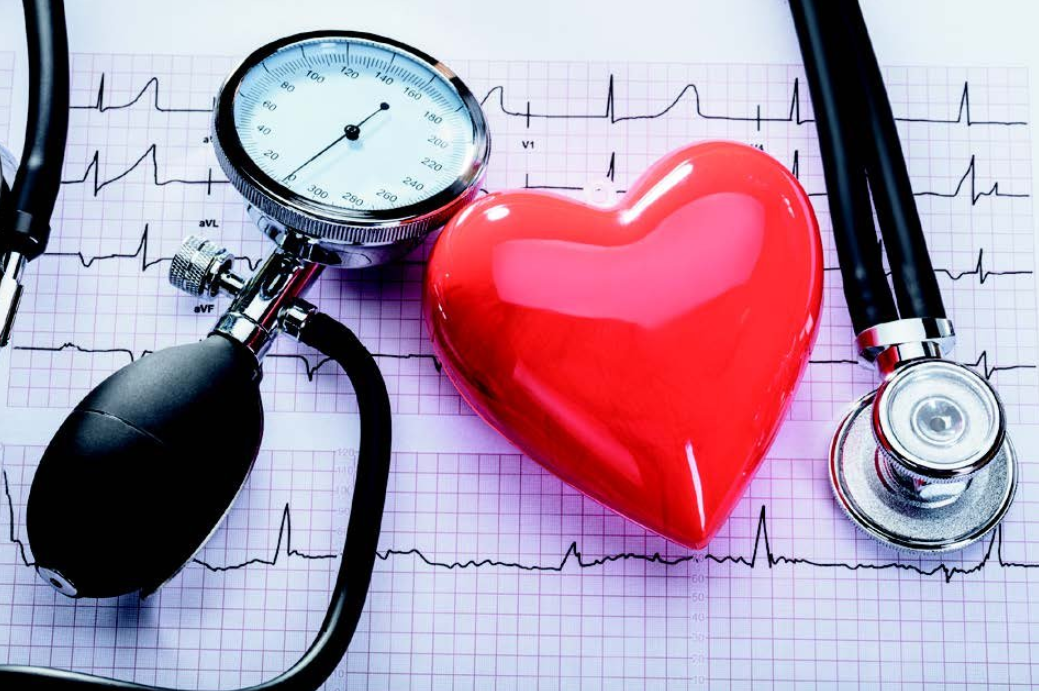
The first sign is often nothing at all. No pain, no warning. That is why high blood pressure is called a silent killer - and why the World Health Organization (WHO) calls it one of the most important modifiable risk factors for premature death worldwide. Each year it contributes to millions of strokes, heart attacks and kidney failures. Yet it is also one of the most measurable conditions in medicine, and for many people, one of the most beatable.
THE NUMBERS (WHO, 2025) - Around 1.4 billion adults aged 30-79 lived with hypertension in 2024 - about one in three. - That is more than double the 650 million affected in 1990. - Two-thirds of those affected live in low- and middle-income countries. - About 44% do not know they have it. - Only about 23% (roughly 320 million) have it under control. - WHO estimates that high blood pressure caused about 11 million deaths in 2011 - around 16% of all deaths worldwide.
WHAT THE NUMBERS MEAN WHO defines hypertension in adults as a systolic reading of 140 mmHg or higher and/or a diastolic reading of 90 mmHg or higher, confirmed on two different days. Normal blood pressure sits comfortably below 130/85. The risk starts rising even below the hypertension threshold - which is why hypertension is often described as a measurement problem: you can only act on numbers you know.
WHY IT IS SO DANGEROUS Persistent high pressure damages blood vessel walls, strains the heart and increases the risk of stroke, heart attack, heart failure, kidney damage and even cognitive decline. Because it develops silently over years, much of the damage happens before symptoms appear. That is why regular measurement - at the clinic and at home - is not optional; it is the single most effective early warning system we have.
SALT IS A BIG PART OF THE STORY The average adult consumes 9-12 grams of salt per day, according to WHO. The recommended maximum is less than 5 grams per day - about one teaspoon. WHO estimates that reducing population salt intake to under 5 grams a day could prevent roughly 1.7 million deaths worldwide each year. In many African households, the biggest hidden sources are bouillon cubes, stock and seasoning powders, processed snacks, fried street food and salted dried fish - not the salt shaker alone.
A REALISTIC ACTION PLAN 1. Know your number. Have your blood pressure measured regularly and consider a home monitor. 2. Cut salt aggressively but gradually. Season with herbs, garlic, ginger, lemon and pepper; halve the stock cubes. 3. Move daily. Consistent physical activity measurably lowers blood pressure. 4. Manage weight. Excess body fat - abdominal fat especially - directly raises pressure. 5. Moderate alcohol and quit tobacco. Both push pressure up. 6. Take prescribed medication seriously. If a doctor prescribes an antihypertensive, never stop it suddenly on your own; dose changes belong in the hands of a professional.
HOW S19 CAN HELP Our Hypertension and Cardiovascular Wellness program pairs careful blood-pressure tracking with dietary adjustment, lifestyle coaching and targeted herbal support for circulation. It is a complement to conventional care, not a replacement. If you are already on medication, we work with that reality, review it with you and coordinate with your doctor where possible.
SOURCES WHO Global Report on Hypertension (2025); WHO fact sheet on hypertension (2025); WHO SHAKE package for salt reduction; NCD Risk Factor Collaboration, The Lancet (2021).
This article is educational and not a substitute for a medical consultation, especially for anyone already diagnosed with hypertension.
Contact Us
- WhatsApp: Click here
- Email: Sweet19hoe@gmail.com
- Telegram: Click here
Online consultation is free. We can answer your questions and ship our products to any country with a DHL service.