
22 Aug 2026 · S19 Health Blog
Natural Does Not Mean Safe: The Science Behind Responsible Herbal Medicine
By S19 Wellness Team
3 min read
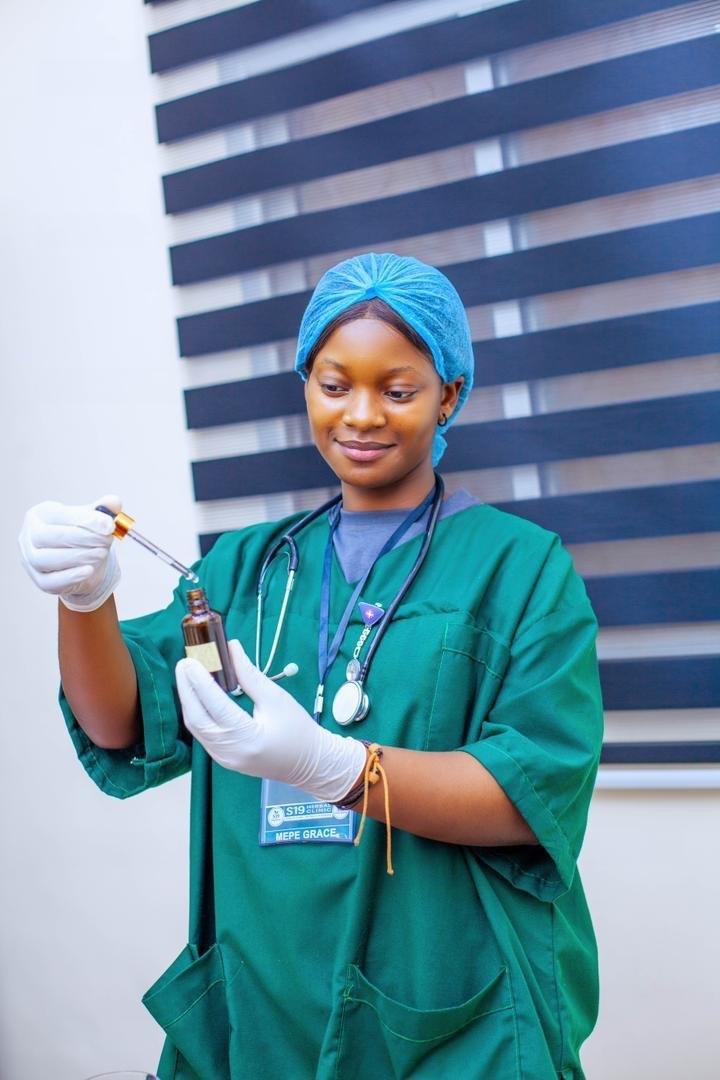
"One man's food is another man's poison" - the old proverb captures something modern pharmacology proves every day. Herbs contain biologically active chemical compounds, just like the molecules in pharmaceutical drugs. That is precisely why responsible herbalism takes "natural" claims seriously - and why "natural" must never be treated as a synonym for "safe at any dose, in any person."
THE EVIDENCE ON NATURAL INGREDIENTS The U.S. National Center for Complementary and Integrative Health (NCCIH) is explicit: "Natural doesn't necessarily mean safer, or better." Research has shown that some herbal products fail to demonstrate benefit when studied properly, and some carry genuine risks. Kava, used for anxiety, has been linked to severe liver damage. Ephedra was banned by the U.S. FDA in 2004 after being associated with heart problems and death. Even ordinary herbs have real pharmacology: green tea in high doses can reduce blood levels of the beta-blocker nadolol, affecting blood pressure control.
HERBS CAN INTERACT WITH YOUR MEDICINES Herb-drug interactions are documented, not hypothetical: - St. John's wort speeds up drug breakdown in the liver and can reduce the effectiveness of cyclosporine, warfarin, certain antivirals and oral contraceptives. - In an NCCIH-funded study, goldenseal lowered metformin levels by about 25% in healthy adults - a change large enough to potentially hinder glucose control in people with type 2 diabetes. - Taking ginkgo biloba with the anticoagulant warfarin is associated with a higher risk of major bleeding. These are well-known examples; countless others are still being studied. The American Academy of Family Physicians reports that about 25% of U.S. adults taking prescription drugs also use a dietary supplement, and 40-60% of adults with chronic disease use them. In short, these interactions affect real people, not just textbooks.
LIVER SAFETY IS A REAL CONCERN The U.S. Drug-Induced Liver Injury Network (DILIN) registry reports that herbal and dietary supplements account for roughly 20% of liver injury cases in adults. Cases are complicated by ingredient variability, undisclosed additives and delayed symptom onset - a reminder that unregulated "miracle" products deserve particular caution.
TRADITION AND SCIENCE ARE NOT OPPOSED Thousands of years of traditional use tell us a plant is worth studying carefully. But tradition alone does not tell us the right dose, the correct preparation, who should avoid it, or how it behaves alongside today's medicines. That is why S19 is built on science-based herbalism: pharmacology, phytochemistry, human physiology, proper dosage, contraindications, toxicity and the available evidence, applied to the specific patient - not generic formulas.
PRACTICAL SAFETY RULES 1. Tell your clinician about every medicine and every herbal product you take, including over-the-counter ones. Many patients never mention herbs to their doctor. 2. Never stop or reduce prescribed medication on your own, no matter how well you feel. 3. Choose a clinic that assesses you first - history, medications, lab results, interactions - before recommending anything. 4. Be wary of unlabelled products sold with emotional guarantees and no accountability.
WHAT THIS MEANS AT S19 We do not treat blindly. Every S19 program starts with a review of your medical history, current medications, previous treatments and laboratory findings. We look for contraindications, check for herb-drug interactions, and monitor outcomes with objective measurements where appropriate. Herbal support is offered as part of a wider strategy that includes nutrition, lifestyle and - where needed - conventional medicine.
SOURCES NCCIH (Herb-Drug Interactions and "Natural Doesn't Necessarily Mean Safer"); American Academy of Family Physicians (2017 review); StatPearls, NCBI (2024); DILIN registry data.
This article is educational and not a substitute for a consultation. If you take any medication, discuss herbal products with your doctor or pharmacist first.
Contact Us
- WhatsApp: Click here
- Email: Sweet19hoe@gmail.com
- Telegram: Click here
Online consultation is free. We can answer your questions and ship our products to any country with a DHL service.