
20 Jul 2026 · S19 Health Blog
Type 2 Diabetes: Understanding the Root Causes Behind the Rising Numbers
By S19 Wellness Team
3 min read
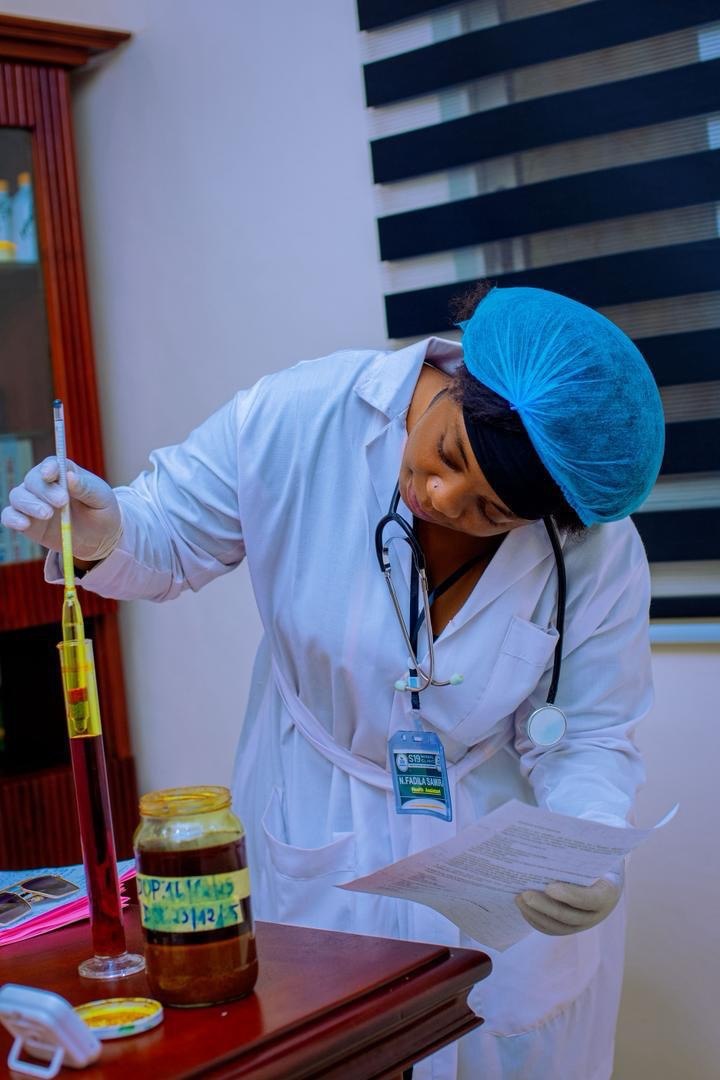
When a man in his 40s is told his fasting blood sugar has crossed into the diabetic range, his first question is usually the same one most people ask: "Which medicine do I take?" It is a fair question. But at S19 Herbal Clinic, our first question is different. Not just "what do we give for the symptom?" but "why is this happening, and what can we change?" That is root-cause care, and it is the heart of this article.
HOW BIG IS THE DIABETES PROBLEM? The numbers deserve serious attention. According to the World Health Organization (WHO), the number of people living with diabetes rose from about 200 million in 1990 to 830 million in 2022 - an increase from 7% to 14% of adults worldwide. Diabetes is rising fastest in low- and middle-income countries, the same places where regular testing and care are hardest to access.
The International Diabetes Federation (IDF), in its 11th Diabetes Atlas, reported that 589 million adults aged 20-79 lived with diabetes in 2024 - roughly 1 in 9 - and projects this will reach about 853 million by 2050. Most of that increase is expected in low- and middle-income countries.
TYPE 1 AND TYPE 2 ARE NOT THE SAME More than 95% of diabetes cases are type 2. In type 2, the body's cells gradually become resistant to insulin - a state called insulin resistance - so the pancreas must work harder and harder to keep blood sugar in check. Eventually it cannot keep up, and blood glucose rises above healthy levels.
Type 1 diabetes is completely different. The pancreas produces little or no insulin, and people with type 1 depend on insulin for survival. Herbal medicine must never be presented as a substitute for insulin. This is not a subtle point; it is a patient-safety point that S19 takes seriously and states clearly.
WHY ROOT-CAUSE MATTERS FOR TYPE 2 Type 2 diabetes rarely appears overnight. It is usually preceded by years of interacting, modifiable factors: excess visceral fat, physical inactivity, poor nutrition, unhealthy sleep, chronic stress and chronic inflammation. Global research - including the NCD Risk Factor Collaboration's pooled analysis of 1,108 studies (published in The Lancet) and the Global Burden of Disease Study - consistently identifies these metabolic and lifestyle drivers behind the type 2 epidemic.
Managing blood glucose is important and reduces immediate risk. For appropriate patients, safe remission (keeping glucose below the diabetic range without glucose-lowering medication) is achievable when pursued carefully and under proper supervision. But neither management nor remission is the whole story. The durable goal is steady metabolic improvement that reduces the chance of recurrence.
A SIMPLE, PRACTICAL START 1. Know your numbers. Fasting glucose and HbA1c are measurable baselines. You cannot manage what you do not measure. 2. Eat for stable blood sugar. Prioritise vegetables, legumes, whole grains and fibre; cut sugar-sweetened drinks and refined snacks. 3. Move regularly. Even consistent daily walking improves how the body uses insulin. 4. Take sleep and stress seriously. Both directly influence blood sugar regulation. 5. Never stop prescribed medication on your own. If glucose is improving, discuss any reduction with your doctor.
WHAT S19 OFFERS Our Diabetes and Metabolic Health program starts with an individual assessment of your blood-sugar history, nutrition, lifestyle and previous lab results. The program combines structured nutrition guidance, lifestyle coaching, herbal support selected for your situation, and regular follow-up and monitoring. It is designed to work alongside your medical care - never to replace insulin or other essential medicines.
SOURCES WHO Diabetes fact sheet (2024); IDF Diabetes Atlas, 11th edition; NCD Risk Factor Collaboration, The Lancet (2024); Global Burden of Disease Study 2021.
This article is educational and is not a substitute for a medical consultation. Always discuss changes to your treatment plan with a qualified health professional.
Contact Us
- WhatsApp: Click here
- Email: Sweet19hoe@gmail.com
- Telegram: Click here
Online consultation is free. We can answer your questions and ship our products to any country with a DHL service.